Our Success Stories
Real-world impact of strategic CTO leadership.
Transforming Businesses, One Strategy at a Time

Modernizing Public Sector Technology Through Strategic Oversight
Government organizations face a unique set of challenges when procuring and implementing new technology. They require solutions that are not only powerful and secure but also offer long-term value and adhere to strict procurement protocols. Often, internal teams lack the specialized, up-to-the-minute expertise to draft a Request for Proposal (RFP) that fully captures the complexity of their needs. This can lead to vague requirements, mismatched vendor bids, and costly implementations that fail to deliver on their promise or become obsolete prematurely.
Several public sector entities approached us with this exact problem. They needed to undertake mission-critical projects—including Data Center design and upgrades, custom application development, and the establishment of Network Operations Centers (NOC) and Security Operations Centers (SOC)—but were struggling to translate their operational needs into precise technical specifications that would attract the right vendors and guarantee success.
Read Full Story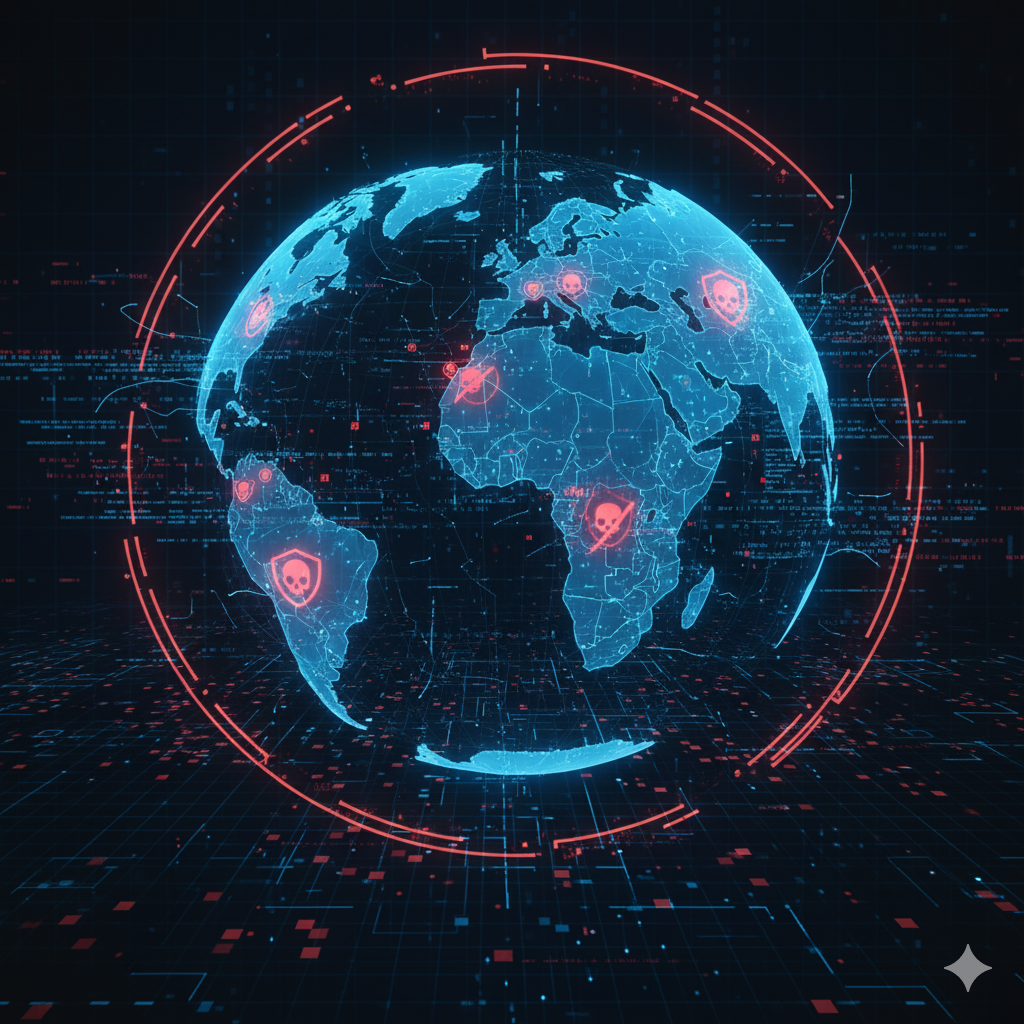
The Challenge: A Disjointed Security Posture on a Global Scale
Our client, a prestigious Indian multinational corporation with a turnover exceeding 100 crores and a sprawling presence in over 20 countries, faced a monumental security challenge. Their rapid global expansion had resulted in a fragmented and inconsistent security infrastructure. Each international office operated in a silo, with disparate security policies and no centralized identity management. This created significant vulnerabilities, a poor user experience, and made it nearly impossible to enforce global compliance standards.
Their key pain points included:
- Lack of Centralized Control: Managing user identities and access across dozens of applications and locations was a manual, error-prone nightmare.
- Outdated Perimeter Security: A traditional VPN-based approach was no longer adequate for a hybrid workforce and cloud-first applications.
- Risk of Data Breaches: Without robust identity protection and data leak prevention policies, their sensitive intellectual property was at constant risk.
- Analysis Paralysis: The internal team was overwhelmed by the sheer number of security vendors and solutions, struggling to select and correctly size the right hardware and software for their complex needs.